.png)
Eco-tourism in Southern Thailand's Mangrove Forests
- Yaw Thurt Gom Khaung
- Feb 20, 2025
- 3 min read


Thailand, a country renowned for its stunning beaches and vibrant culture, is increasingly gaining recognition for its commitment to sustainable tourism, particularly in its lush mangrove forests. For expats living in Thailand, exploring these unique ecosystems offers not only a chance to connect with nature but also an opportunity to understand and contribute to the country's conservation efforts. The mangrove forests of Southern Thailand, with their intricate root systems and diverse wildlife, serve as critical buffers against coastal erosion and act as nurseries for numerous marine species.
Recently, Thailand has introduced new ecotourism management strategies to preserve and sustainably utilize its expanding mangrove forests. This initiative reflects a growing awareness of the importance of these ecosystems and the need to balance conservation with economic development through tourism. For expats, understanding and participating in these eco-tourism activities can provide a deeper appreciation of Thailand's natural heritage and the country's efforts to protect it.
The Significance of Mangrove Ecosystems
Mangrove forests play a crucial role in Thailand's coastal ecosystems. They provide:
Coastal Protection: Acting as natural barriers against storms and tsunamis.
Carbon Sequestration: Efficiently storing carbon, helping to mitigate climate change.
Biodiversity Hotspots: Supporting a wide variety of marine and terrestrial species.
Economic Value: Providing resources for local communities and attracting tourism.
Eco-tourism Initiatives in Southern Thailand
1. Water-Based Activities
Research has been conducted to develop ecotourism water activities in mangrove areas, such as at Ban Tha Bor Koh. These activities aim to provide visitors with immersive experiences while ensuring minimal impact on the ecosystem.
2. Nature Trails and Boardwalks
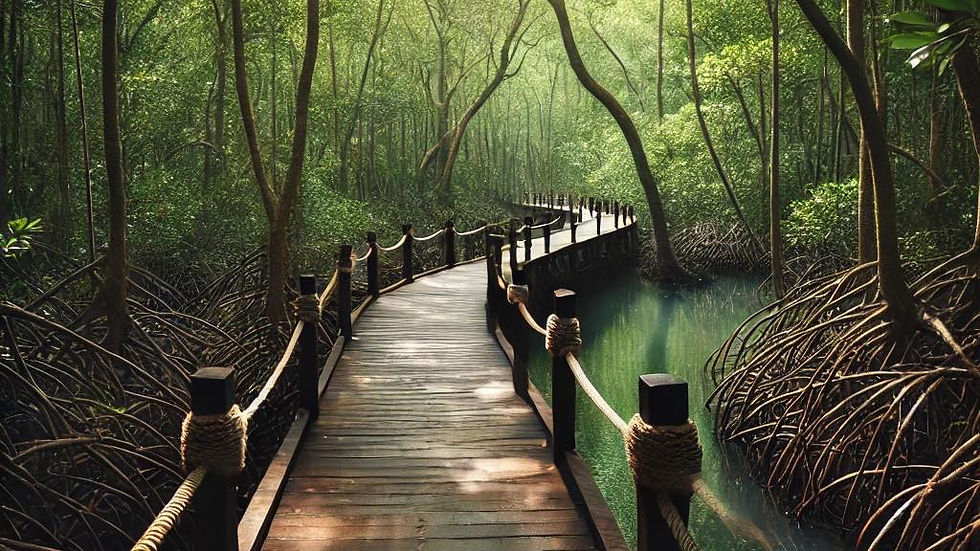
Many mangrove forests feature carefully designed trails that allow visitors to explore the ecosystem without disturbing the sensitive environment. These paths often include informative signage about local flora and fauna.
3. Kayaking and Canoeing
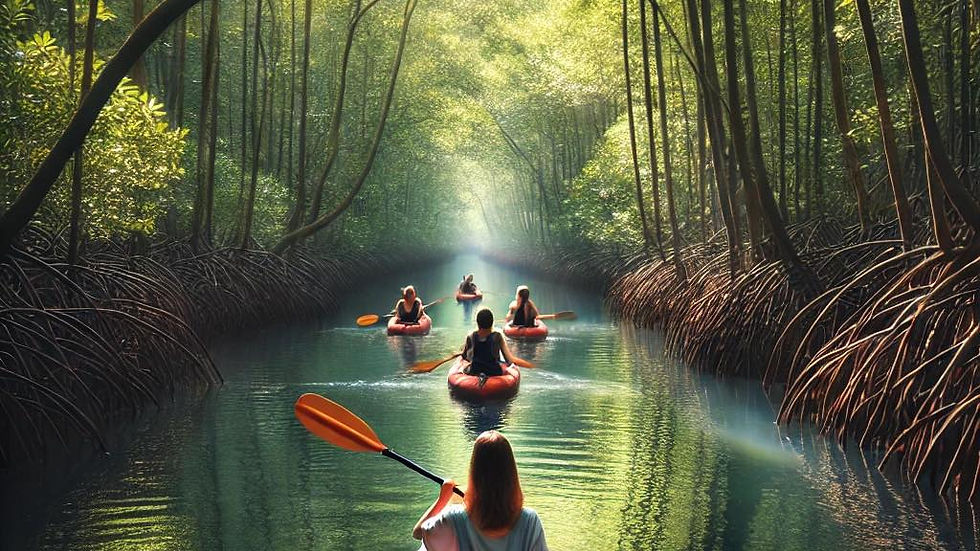
Silent, non-motorized boats offer an excellent way to explore the mangrove channels, allowing close observation of wildlife without causing disturbance.
4. Birdwatching
Mangroves are home to numerous bird species, making them ideal spots for birdwatching enthusiasts.
Sustainable Practices for Visitors
As an expat participating in mangrove eco-tourism, consider the following practices:
Respect Local Guidelines: Follow all rules set by tour operators and local authorities.
Minimize Impact: Stay on designated paths and avoid touching or removing any plants or animals.
Support Local Communities: Choose tours and accommodations that benefit local populations.
Educate Yourself: Learn about the ecosystem and its importance before your visit.
Community-Based Ecotourism
Thailand is increasingly focusing on community-based ecotourism, which involves local communities in the management and benefits of tourism activities. This approach ensures that eco-tourism contributes to both conservation and local economic development.
The Role of Expats in Eco-tourism
As an expat in Thailand, your participation in and support of eco-tourism initiatives can have a significant positive impact:
Advocacy: Share your experiences with other expats and visitors, promoting responsible tourism.
Volunteer Opportunities: Many conservation projects welcome volunteers for activities like mangrove planting or clean-up efforts.
Cultural Exchange: Engage with local communities involved in eco-tourism, fostering mutual understanding and respect.
Challenges and Future Outlook
While eco-tourism in Thailand's mangrove forests offers numerous benefits, it also faces challenges:
Balancing Tourism and Conservation: Ensuring that increased tourism doesn't negatively impact the ecosystems.
Climate Change: Rising sea levels and changing weather patterns pose threats to mangrove forests.
Sustainable Development: Continuing to develop infrastructure that supports tourism without compromising the environment.
Eco-tourism in Southern Thailand's mangrove forests presents a unique opportunity for expats to engage with one of the country's most valuable natural resources. By participating responsibly in these activities, you not only enrich your experience in Thailand but also contribute to the preservation of these critical ecosystems.
As an expat, your involvement in and appreciation of Thailand's eco-tourism initiatives can foster a deeper connection with your host country. It demonstrates respect for Thailand's natural heritage and supports the country's efforts towards sustainable development. Moreover, it offers a chance to experience a side of Thailand that goes beyond the typical tourist attractions, providing insights into the country's biodiversity and the communities that have long lived in harmony with these coastal ecosystems.
By embracing eco-tourism in Thailand's mangrove forests, you're not just a visitor but a participant in the ongoing story of conservation and sustainable development in your adopted home. This engagement can lead to a more fulfilling expat experience, one that connects you more deeply with Thailand's natural environment and its people.


Comments